
The Point of Preparation — Purpose, Growth, and the Life You're Still Building

On the kitchen table, an open calendar rests beside a warm mug, a pair of reading glasses, and a set of keys.
One date is circled.
It might be a train trip to a nearby town. A class at the library. An afternoon set aside for a friend. A visit to a museum you have passed many times but never entered.
The rest of the calendar is still open.
That matters.
A well-prepared life should have room in it. Room for a new idea, a long conversation, an unexpected invitation, or a morning spent learning something simply because it interests you.
The purpose of planning is not to make life smaller. It is to make it bigger.
When important things are organized, we create more room for curiosity, relationships, travel, learning, creativity, and joy. This is the heart of Aging Solo, Living Fully and the philosophy behind the Sage & Summit Journal — independence through intentional preparation.
Preparation gives you a steadier place to begin.
From there, you keep living.
Preparation Is the Runway
Much of the conversation around preparation focuses on what must be arranged.
Documents should be gathered. Important contacts should be identified. Transportation options should be understood. A home should support the life you want to lead. Conversations should happen before they become urgent.
These things matter.
They create what Civara calls quiet infrastructure — the often-unseen systems that make daily life more workable, flexible, and dignified.
Quiet infrastructure might be a folder where your key information can be found. It might be a neighbor who knows how to reach you. It might be a plan for getting across town when driving is not the best option. It might be a weekly rhythm that keeps errands, rest, connection, and creative work in balance.
These arrangements rarely feel dramatic. That is part of their strength.
They lower the amount of energy required to manage ordinary life. They preserve choices. They help you respond with clarity when circumstances change.
Yet preparation can become too narrow if we treat it as the final destination. A person can organize every important paper and still wonder what the organization is meant to serve.
The answer is life itself.
Preparation is the runway. It gives you the conditions to take off, to move toward something that matters, and to remain open to the horizon.
A runway exists for movement.
The same is true of a plan.
Purpose Belongs in the Framework
Purpose is sometimes treated as an extra. Something to consider after the practical work is complete.
At Sage & Summit, we see it differently.
Purpose is one of the pillars of an independent life. It belongs beside the conversations, systems, and decisions that help you live with confidence.
Purpose does not need to be grand.
It does not require a public role, a second career, or a sweeping mission statement. It may be found in the things that bring shape to your days and significance to your attention.
Purpose may look like
Making a beautiful meal for someone you love
Caring for a home that feels peaceful and welcoming
Teaching a skill you have spent years developing
Returning to music, writing, drawing, or gardening
Learning the history of a place you hope to visit
Volunteering in a way that fits your energy and values
Staying connected to the people who help you feel known
Creating something that may outlast your own involvement
These activities have something in common. They direct your energy outward and forward.
They give the week a shape.
They remind you that your life is still in motion, even when its rhythm has changed.
Purpose can also help you make better preparation decisions. If you know what you want your life to hold, you can make choices that support it.
If learning matters, you may look for transportation to classes or lectures.
If friendship matters, you may create a regular gathering rather than leaving connection to chance.
If creativity matters, you may arrange your home so that your materials are easy to reach.
If travel matters, you may begin with one manageable destination and learn what makes the experience comfortable.
The practical question becomes more meaningful when it is connected to a valued life.
The Life You Are Still Building
There is a particular kind of freedom that comes from realizing you are still becoming.
You may already know yourself well. You may have gathered wisdom through work, family, loss, responsibility, change, and years of making decisions. None of that means the story has settled into its final form.
Growth can remain quiet.
It may be the decision to attend a workshop alone. The first page of a notebook. A new recipe prepared without waiting for a special occasion. A conversation with someone outside your usual circle. A book chosen from a shelf you have ignored.
It may be as simple as rearranging a room so that the things you care about are visible again.
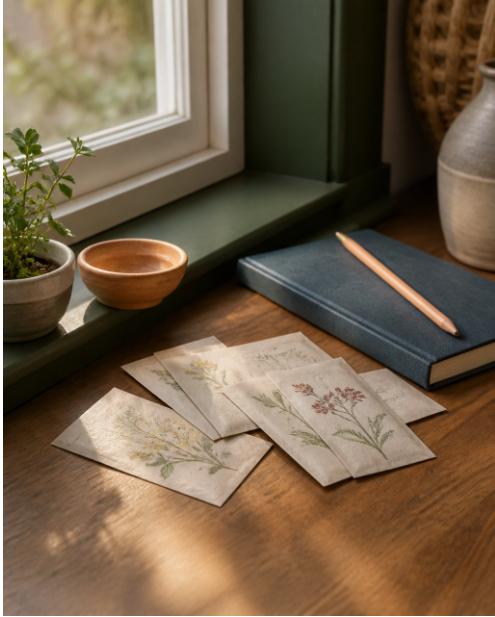
A packet of seeds on a windowsill carries a useful reminder. Growth is often modest at first. You prepare the soil. You make space for light. You water what you have chosen to tend.
You do not need to know the full shape of the result before beginning.
The same can be true of a new season in your life.
Adventure does not have to mean crossing an ocean. It can mean taking a different route to the market, visiting a town nearby, trying a new form of movement, or making plans with someone you have wanted to know better.
Adventure is any experience that widens your sense of what is possible.
Sometimes it asks for a suitcase. Sometimes it asks for an hour.
A life with purpose does not have to be busy. It needs to be alive to possibility.
> Preparation is not the destination — it is the room we make for a life that is still unfolding.
Ordinary Seasons Can Hold New Beginnings
There may be seasons when your energy is limited, your responsibilities are full, or your attention is needed close to home.
That does not place growth out of reach.
A meaningful life is built through many kinds of seasons. Some invite movement. Others invite restoration. Some bring new relationships. Others ask you to deepen the ones already present.
You can look for growth within the life that is available now.
Try a new library program.
Invite 2 people for coffee.
Keep a list of places you would like to explore, even if you are not ready to plan the trip.
Choose one room, drawer, or shelf to make more useful.
Read a book outside your familiar interests.
Ask someone to show you how they do something well.
Write down what you have learned from a difficult season and how that knowledge might serve someone else.
These actions may appear small from the outside. Their value is not measured by scale.
They create movement.
They keep your attention connected to the future. They give you evidence that your choices still matter and that your life can continue to expand in ways that fit your values.
Intentional living is often less about adding more, and more about making room for what is most alive.
One Question to Begin
You do not need a complete plan for purpose, growth, and adventure.
Begin with one question.
What would I like to make more room for in the next season of my life?
Let the question remain open for a while.
You might write the first answer that comes to mind. Then wait a day and return to it. Notice what appears when you are not trying to sound practical or impressive.
Perhaps the answer is more conversation.
Perhaps it is time outdoors, a creative project, a change of scenery, or a new responsibility that feels meaningful rather than burdensome.
Perhaps it is rest.
Rest can be part of preparation, too. It restores the attention needed to recognize what comes next.
When an answer begins to take shape, consider these gentle next steps
Write down one activity that makes you feel engaged and one that makes you feel connected
Choose a small version of the possibility you named
Look at your calendar and reserve a realistic amount of time
Notice what support, transportation, materials, or information would make the activity easier
Tell one trusted person what you are considering
Return to the question after the activity and record what you learned
The purpose is not to turn your life into a project.
It is to notice where your life is asking for attention.
A Plan Should Lead Somewhere
The Companion Workbook extends the Aging Solo framework through practical exercises and reflective tools. Stepping Stone 7, Purpose, Growth & Adventure, is designed to help readers connect preparation with the life they want to keep building.
That connection is essential.
A transportation plan matters because it helps you reach people, places, and experiences.
A home plan matters because your surroundings can support rest, creativity, hospitality, and independence.
A support network matters because meaningful connection is easier to sustain when it has some structure beneath it.
Documents matter because clarity protects your time and preserves your ability to make informed choices.
Every practical arrangement points beyond itself.
You are not organizing your life so that you can spend all your time managing it. You are creating a dependable foundation beneath the days you hope to live.
The Sage & Summit Journal is part of that larger library of thought. Each article offers a place to pause, consider, and take one useful step. The Aging Solo collection gathers the broader roadmap in one place.
Preparation gives you choices.
Choices preserve dignity.
And dignity leaves room for joy.
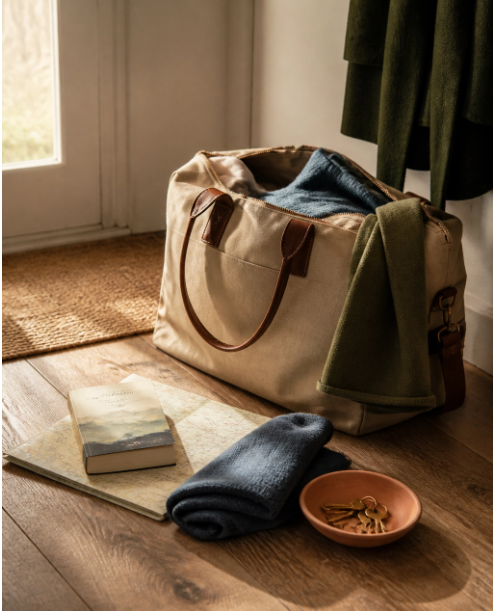
Perhaps the calendar date you circle will be a trip.
Perhaps it will be a conversation, a class, a garden project, or a morning spent writing at the kitchen table.
The point is not to fill every open space.
The point is to know that the space belongs to you.
A prepared life can still surprise you. It can still welcome change. It can still contain first attempts, unfinished plans, generous mistakes, and discoveries that arrive without warning.
There is no finish line at the edge of preparation.
There is a doorway.
Beyond it, the life you are still building is waiting for your attention.

Quiet Reflection
The space you make today is still yours to fill.
Sloane C. Jamison
Author of Aging Solo, Living Fully
