Building a Personal Support Network Before You Need One
The afternoon rain had just begun to turn the garden path into a slick ribbon of slate.
You were heading out to check the mail, a simple task you’ve done a thousand times. Your foot found a patch of wet moss, and for a split second, the world tilted.
You landed hard on one hip.
For a long moment, there was only the sound of rain drumming against the gutter and the sharp, metallic scent of wet pavement. You sat there, catching your breath, testing your limbs. Nothing was broken. The bruise would be colorful, but you were fine.
Yet, as you gripped the edge of the porch to pull yourself up, a thought settled in your chest, heavier than the fall itself. You looked at the front door, then at the quiet street. You realized that if you hadn't been able to get up, you weren't entirely sure whose name you would have called. You weren't sure who had a spare key, or who would notice the mail piling up by Tuesday.
That realization, not the fall, is where the journey begins. It is the moment we understand that true independence isn't about being untouchable. It’s about being connected.
Why Independence Doesn't Mean Isolation
We live in a culture that prizes the "self-made" individual. We are taught that maturity is synonymous with self-sufficiency, and that needing help is a form of surrender. But there is a vital distinction between being independent and being isolated.
Independence is the ability to live according to your own values and make your own choices. Isolation, however, is the absence of a safety net when those choices become difficult to manage alone.
At Sage & Summit, we often talk about interdependence. This is the higher ground. It is the understanding that while you are a whole and capable individual, your life is made richer and more secure when it is woven into a web of others. Think of it like a suspension bridge. The bridge is strong and stands on its own, but its strength comes from the thousands of steel cables that share the weight.
Building a support network isn't an admission of defeat. It is a strategic act of independent living. When you have a network in place, you actually preserve your freedom. You ensure that a temporary setback, like a slip on a rainy afternoon, remains a small story rather than a life-altering crisis.
Who Belongs in Your Circle?
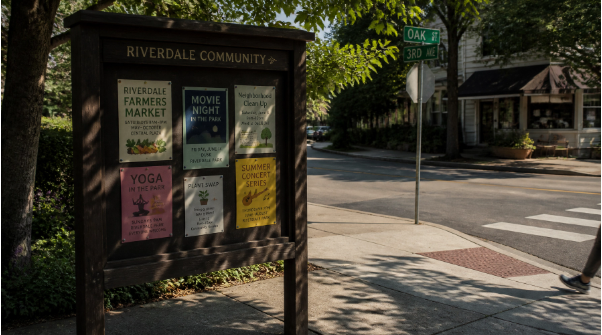
When we think of a "support network," we often imagine a single person who does everything. We think of a primary caregiver or a devoted child. But that model is fragile. It places too much weight on one set of shoulders.
A durable network is diverse. It is made of different circles, each serving a unique purpose.
The First Responders: Neighbors
Your neighbors are the people who see the lights go on in the morning and off at night. They are the ones who notice if the trash isn't at the curb. A neighbor doesn't need to be your best friend to be a vital part of your network. They are the people who can check a stove or bring in the mail.
The Emotional Heart: Close Friends and Family
These are the people who know your history. They are the ones you call when you need to talk through a decision or share a laugh. Their role is to provide the emotional fuel that keeps you going.
The Structural Support: Professionals and Services
This includes your healthcare providers, your financial advisors, and local services. Knowing which local pharmacy delivers or having a reliable handyman on speed dial is just as important as having a close friend.
The Community Anchor: Faith and Social Groups
Whether it’s a church, a book club, or a gardening group, these organizations provide a sense of belonging. They are the places where you are known by name.
No single person should carry every responsibility. By spreading your needs across a wider circle, you make the system more resilient. You aren't "burdening" anyone because no one is holding the entire weight.
Ready to map your own support network?
The Aging Solo, Living Fully Companion Workbook includes guided worksheets to help you identify, strengthen, and organize your personal support network.
The worksheets are designed to help you move from simply thinking about your support network to intentionally building one.
Small Connections Matter

You don't build a support network during a crisis. You build it during the quiet, ordinary Tuesdays of your life. It starts with small, intentional actions that might seem insignificant at the time.
It is the act of stopping to say hello to the neighbor washing their car. It is attending the local library talk, even if you aren't sure you'll know anyone there. It is the routine of the morning coffee at the same cafe, where the barista knows your order.
These are "weak ties," and sociologists argue they are often more important than our "strong ties." These casual acquaintances often become bridges to new information, fresh opportunities, and unexpected acts of kindness. When you maintain these small connections, you are laying the stones for a path you may need to walk later.
A grocery basket shared with a neighbor or a book lent to a friend are the threads of a safety net.
Asking for Help with Dignity
For many of us, the hardest part of building a network isn't the logistics: it's the emotional barrier. We feel that asking for help is a sign of weakness. We worry about being a "burden."
But consider this: when a friend asks you for a favor, how do you feel? Usually, you feel trusted. You feel useful. You feel a deeper sense of connection to them.
When you refuse to ask for help, you are actually denying the people in your life the opportunity to be there for you. You are cutting off the natural reciprocity of human relationship. Asking for help with dignity means recognizing that we all have seasons of giving and seasons of receiving.
> "The strongest support networks are built long before they are needed."
By being open about your needs, you set the stage for others to be open about theirs. This is the heart of mutual support. It is a shared agreement that we are all looking out for one another.
Building Your Network One Conversation at a Time

You don't need a list of twenty people today. You don't need a complex spreadsheet of emergency contacts by nightfall. You simply need to begin.
Start by identifying the gaps. If you were to slip on the porch tomorrow, who has your key? If you weren't able to drive for two weeks, who would help with the groceries?
Building a network is a practice of intentionality. It is about moving from "I can do this myself" to "I choose to do this with others."
This week, choose one small step:
Call a neighbor.
Send a text to an old friend.
Introduce yourself to someone nearby.
Invite someone for coffee or tea.
You are not admitting defeat. You are claiming your future. You are ensuring that whatever the weather brings, you won't be standing—or sitting—in the rain alone.
For more resources on designing a life of intention, visit the Aging Solo page to explore our books and companion resources.
Quiet Reflection
"Preparation is one of the kindest gifts you can give your future self."