
The Permission to Be Helped

By Sloane C. Jamison
There is a specific weight to the word independent. For many of us, it is more than a descriptor; it is an identity. It is the pride of a well-kept home, the rhythm of a solo morning walk, and the quiet satisfaction of knowing exactly where the spare fuse is kept. We wear our self-reliance like a well-tailored coat: it fits perfectly, protects us from the elements, and gives us a sense of shape in a chaotic world.
But sometimes, that coat can become heavy.
We reach a point where the very trait that defined us—the ability to "do it alone"—starts to feel less like a choice and more like a cage. We find ourselves standing in front of a high shelf, or staring at a complex medical form, or realizing the car needs a repair we can’t manage, and the thought of asking for help feels like a small surrender. We worry that by letting someone else in, we are letting our independence go.
At Civara, we believe the opposite is true. True independence isn’t the absence of help; it is the presence of choice. And sometimes, the most courageous choice you can make is to give yourself permission to be helped.
The Illusion of the Island
We often talk about "aging solo" as if it were a solo performance. We imagine ourselves as islands, standing firm against the tide. But if you look closely at any "independent" life, you will find it is actually a masterpiece of hidden interdependence.
The roads you drive on were built by hands you’ll never shake. The tea in your cupboard was harvested half a world away. The electricity that lights your reading nook is maintained by a crew working through the night. No one—regardless of age or circumstance—is truly an island. We are all part of a vast, quiet infrastructure of support.
When we shift our perspective from independence (the myth of doing it all) to interdependence (the reality of mutual support), something changes. Needing a hand with a grocery bag or a ride to the clinic isn't a sign of decline; it is simply a change in the way you engage with the world’s existing support systems.
Reframing help as a tool—rather than a weakness—allows you to preserve your dignity while protecting your energy for the things that truly matter.
Support as Strength
Accepting assistance is not a white flag. It is a strategic move.
Consider the "Two-Week Test": a concept we explored recently regarding navigating life when you can’t get behind the wheel. The goal of that exercise isn't to highlight what you can't do, but to identify the gaps where a little preparation could create a lot of freedom.
When you build a support network before you are in a crisis, you aren't admitting defeat. You are claiming your future. You are ensuring that when the season changes, you have the gear you need to keep moving forward.
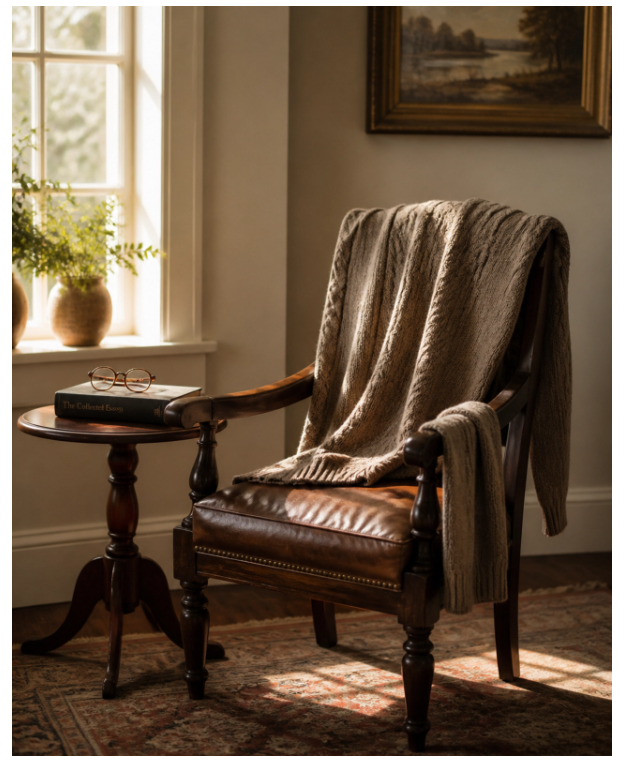
> "You are not admitting defeat. You are claiming your future."
The Emotional Threshold
Why is it so hard to say, "I could use some help with this"?
Often, it’s because we conflate functional help with loss of agency. We fear that if we let a neighbor mow the lawn or a friend drive us to the pharmacy, we are handing over the keys to our entire lives.
But dignity isn’t found in the lawnmower; it’s found in the decision.
When you are the one who initiates the support, you remain the architect of your own life. You are deciding which tasks are worth your limited time and which can be delegated to others. This is exactly how successful leaders and artists operate: they surround themselves with support so they can focus on their core mission. Your mission is to live your life with as much joy and clarity as possible.
Building Your Circles
In our guide to building a personal support network, we discuss the "Four Circles" of support:
The Inner Circle: Close friends and family.
The Neighbor Circle: Those who live within sight of your front porch.
The Professional Circle: Doctors, lawyers, and service providers.
The Community Circle: Groups, churches, and civic organizations.
Most people wait for the Inner Circle to step in during an emergency. But the most resilient solo agers are those who have a healthy "Neighbor Circle." These are the people who can help with the small, daily frictions that don't require a deep emotional bond but do require proximity.
By allowing a neighbor to help with a task, you are actually strengthening the fabric of your community. People want to be useful. By accepting their help, you are giving them the opportunity to contribute.

Thinking Tool: The Support Circle Snapshot
To help you begin this transition from "doing it alone" to "intentional preparation," we’ve developed a new resource in our Snapshot Series.
The Support Circle Snapshot is a five-minute exercise designed to help you map out your current landscape. It isn't a complex legal document; it’s a quiet moment of reflection to see who is already in your world and where you might need to invite someone new in.
Purpose: To transform an abstract feeling of isolation into a clear, practical map of connection.
The Exercise: List one person in each of the four circles. Next to their name, write one small, non-emergency thing they could help with (e.g., "Mrs. Higgins: bringing in the mail if I’m away").
Reflection: How does it feel to see these names on paper?
Next Step: This week, mention that small thing to one of those people. Use the phrase, "I’m practicing being more prepared..."
This tool is a precursor to the more intensive work found in our Aging Solo collection, specifically connecting to the Community & Relationships Blueprint in the upcoming Aging Solo Workbook.
Preparing Your Quiet Infrastructure
Giving yourself permission to be helped is the emotional bridge that allows you to begin building your Quiet Infrastructure—the systems, documents, relationships, and routines that quietly support everyday life. In our next installment, we will move from the who of support to the how of logistics, exploring how to set up your home and life so that help can flow in seamlessly when you choose to invite it.
The View from the Summit
Independence is a mountain. When we are young, we think the goal is to climb it as fast as possible, carry our own pack, and never look back. But as we gain perspective, we realize the view from the summit is much better when we aren't exhausted from trying to do it all ourselves.
Preparation gives us choices. And choices preserve dignity.

You are still the one climbing. You are still the one choosing the path. You are simply choosing to carry a lighter pack.
Thought for the Week
Independence is not the absence of others; it is the freedom to choose who walks beside you.
Continue Exploring
Thoughtful preparation begins with small, intentional steps.
Explore more articles from Sage & Summit, or discover Aging Solo, Living Fully for practical guidance on living independently with confidence.
